Posted By: admin
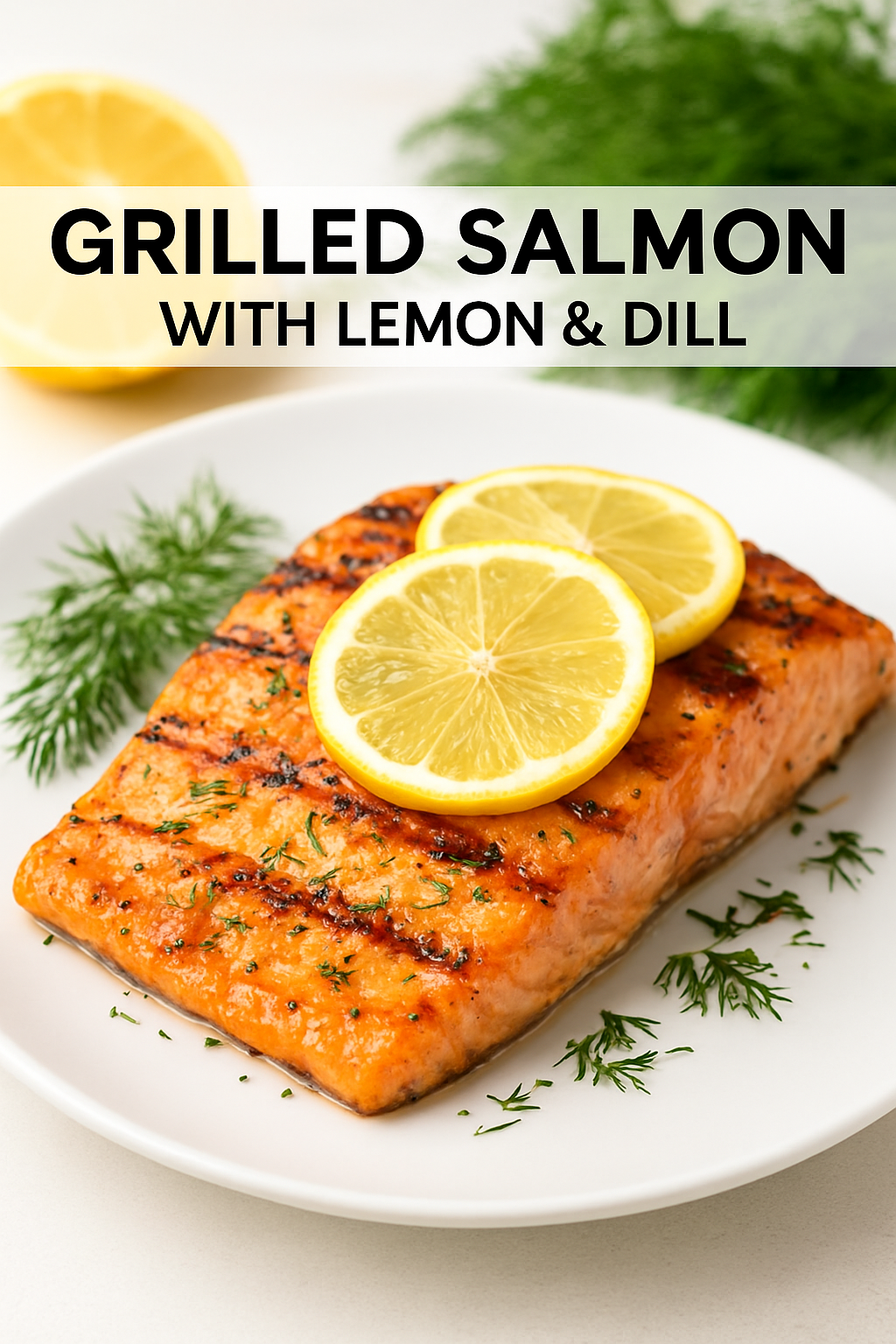
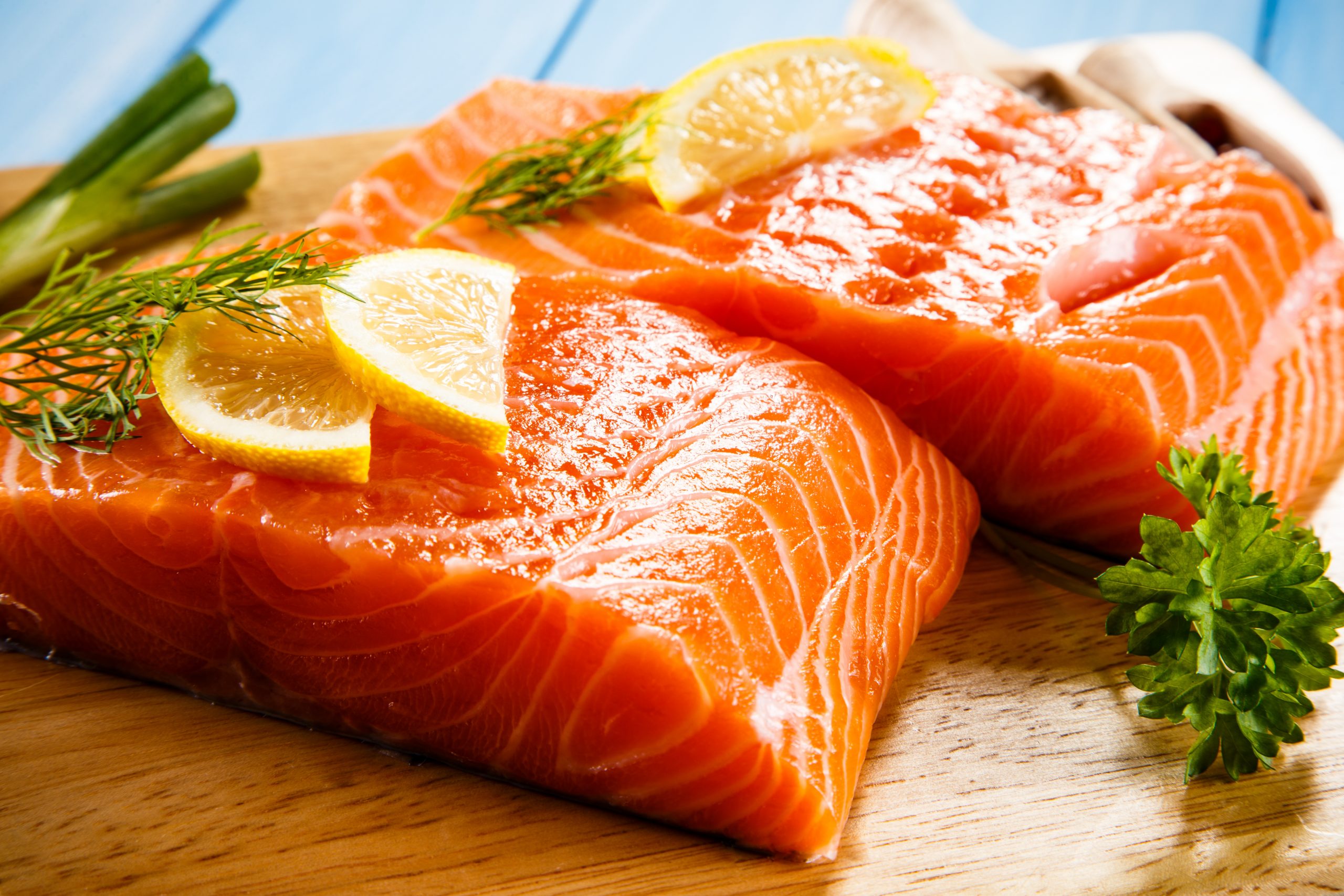
Why it's good: Rich in omega-3 fatty acids, which reduce inflammation and improve heart health (critical for diabetics).
How to prepare: Grilled, baked, or steamed with herbs and lemon.

Why it's good: High in healthy fats and B12, supports metabolism and cardiovascular function.
Prep idea: Pan-seared with olive oil, garlic, and a squeeze of lime.
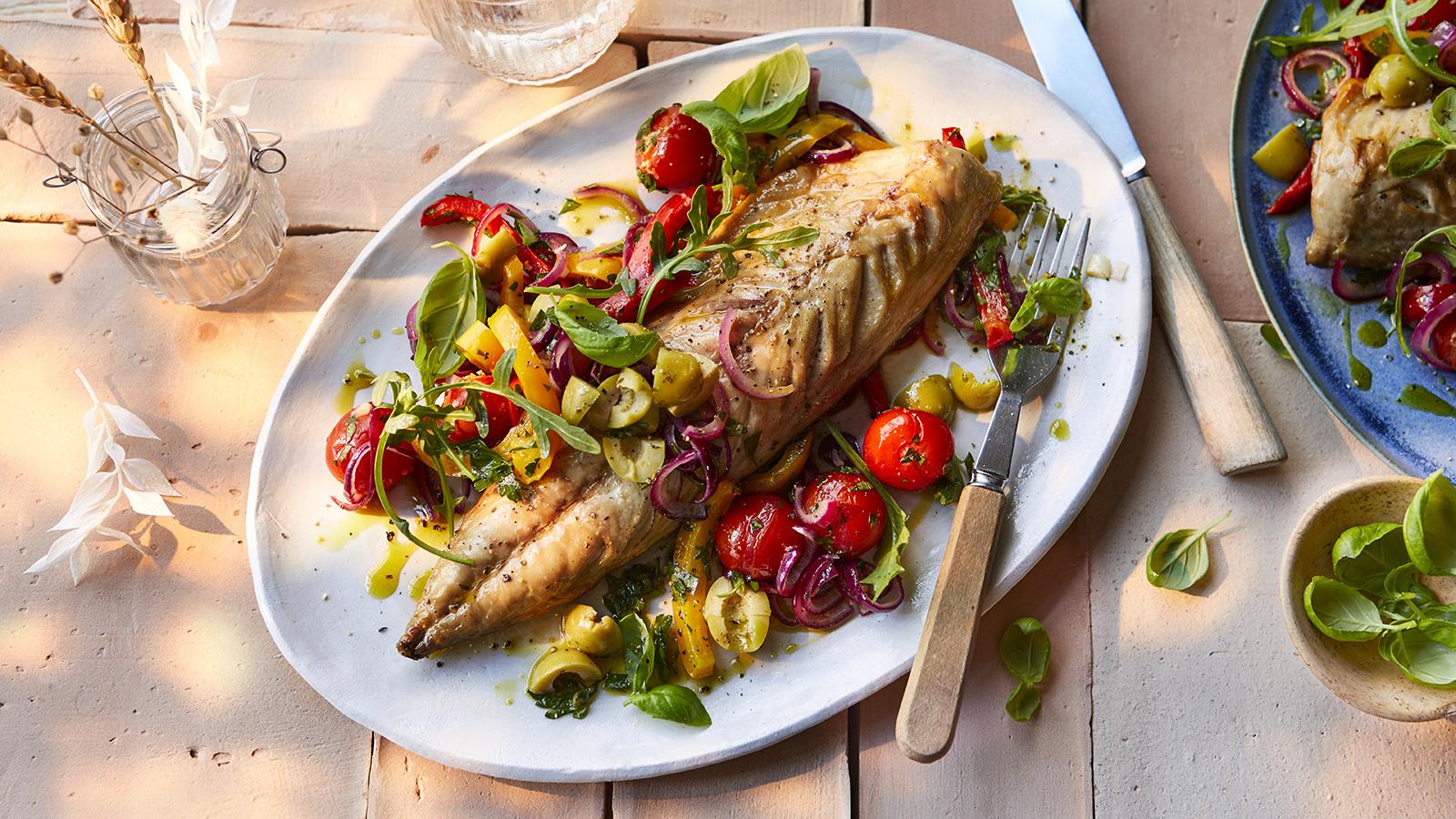
Why it's good: Packed with omega-3s, calcium, and vitamin D. Also lower on the food chain, so less mercury.
Best use: On whole grain toast, in salads, or grilled whole.

Why it's good: High-protein, low-fat option; easy to add to salads or wraps.
Caution: Limit albacore tuna due to mercury levels (1–2 times per week).
Why it's good: Lean white fish, low in fat and calories but still satisfying.
Prep idea: Oven-baked with paprika, garlic, and lemon.
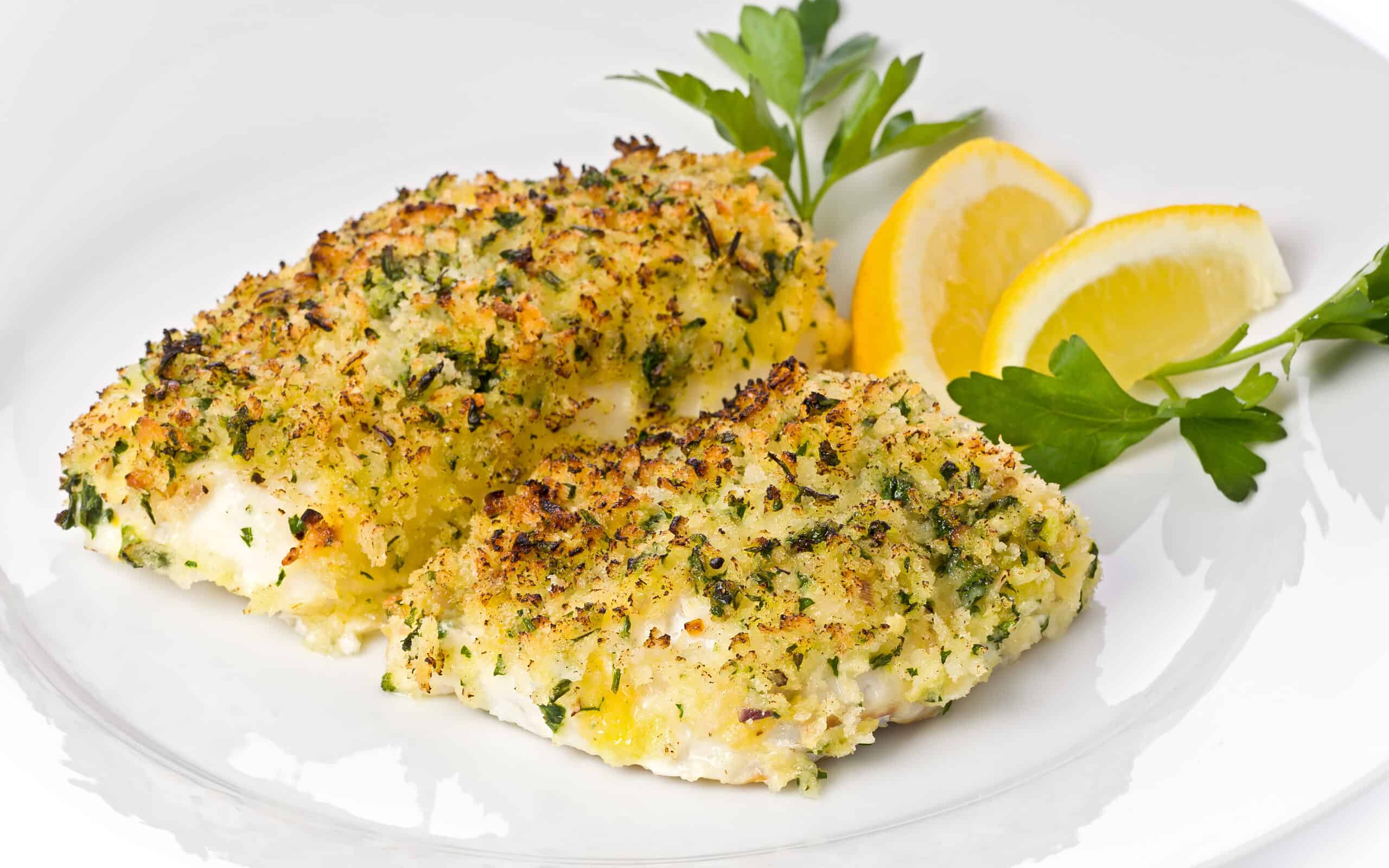
Why it's good: Mild-flavored, affordable, and low in fat.
Note: Choose responsibly farmed options to avoid poor-quality sources.

Why it's good: High in omega-3s and often farm-raised in cleaner, regulated environments.
Prep tip: Pan-fry with olive oil or grill with rosemary and lemon slices.
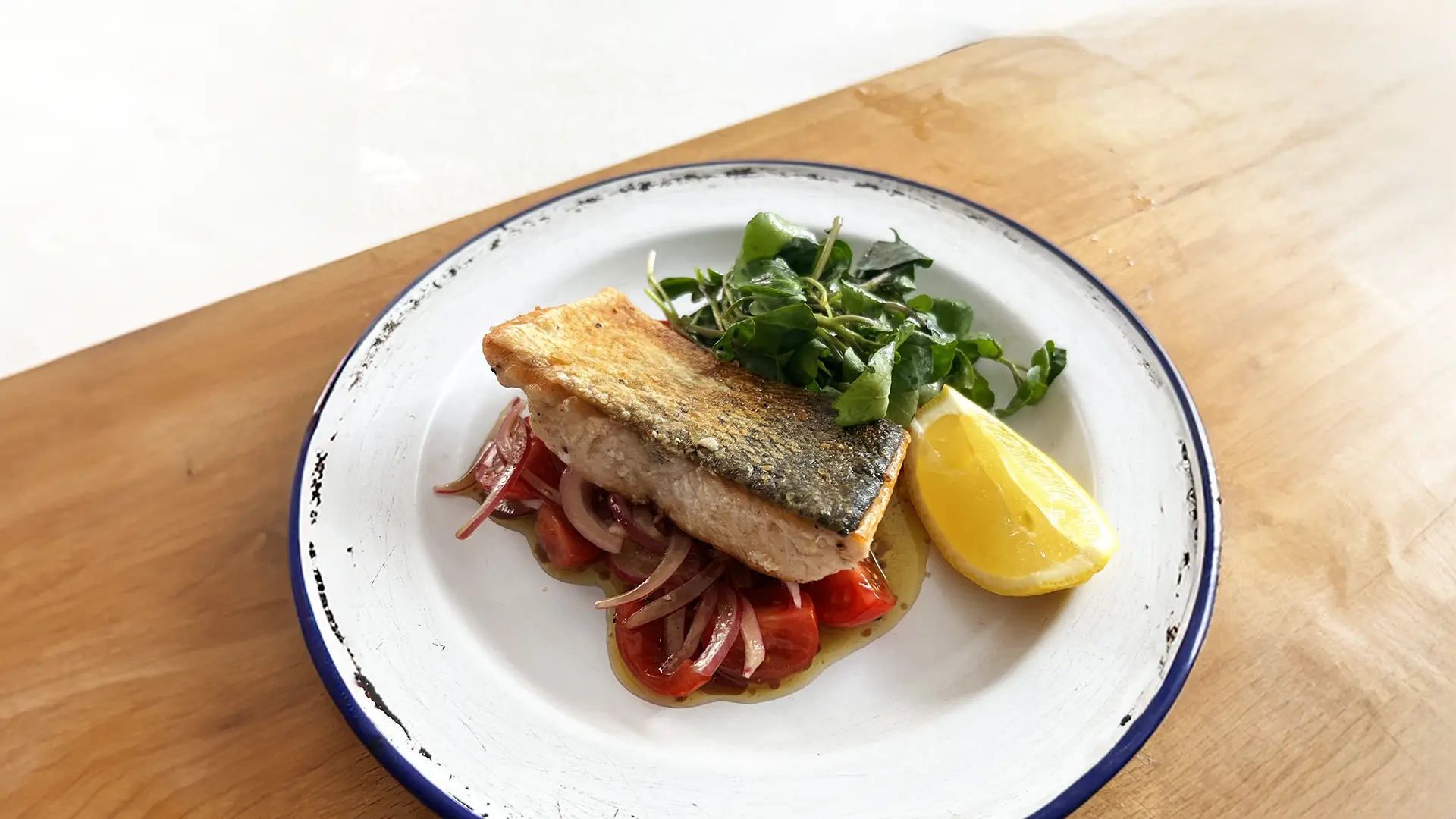
Avoid deep-frying — opt for baking, grilling, steaming, or pan-searing.
Use healthy oils like olive oil or avocado oil.
Season with herbs and spices, not heavy sauces or sugary marinades.
Pair fish with non-starchy vegetables like broccoli, spinach, or zucchini.
Include fiber-rich sides like quinoa, brown rice, or lentils in small portions.
Fried fish (in batter) – high in carbs and unhealthy fats.
Breaded fish sticks – often contain refined carbs and additives.
High-mercury fish (especially for pregnant or older diabetics):
Shark, swordfish, king mackerel, tilefish.
Imitation crab – highly processed, often has added sugars and starches.

Excellent and informative post ???? Clear guidance on diabetes-friendly fish choices. Looking forward to more helpful blogs like this!
Cressex Road,
High Wycombe, Buckinghamshire,
Buckinghamshire,
United Kingdom - HP12 4QE.
sales@pandiyasfreshfish.com
+44 7394339199
Friday 08:00 , Sat 8:00 - 17:30, Sunday - Closed
©2026 pandiyasfreshfish.com. All Rights Reserved. Powered by D2 Ecommerce.